International Day of the Girl Child Awareness session
Girls, especially in underprivileged areas, often face social pressures, early marriage, limited schooling, and restricted opportunities for personal development.
In many homes, sons are prioritized for schooling while daughters are expected to help with domestic chores. This discussion opened the door for others to share examples of girls in their families who excelled in their studies, proving that capability is not limited by gender.

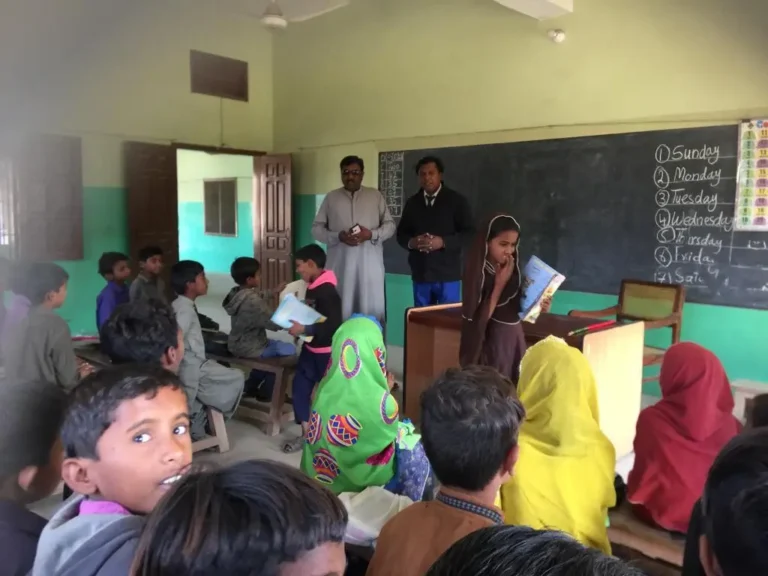
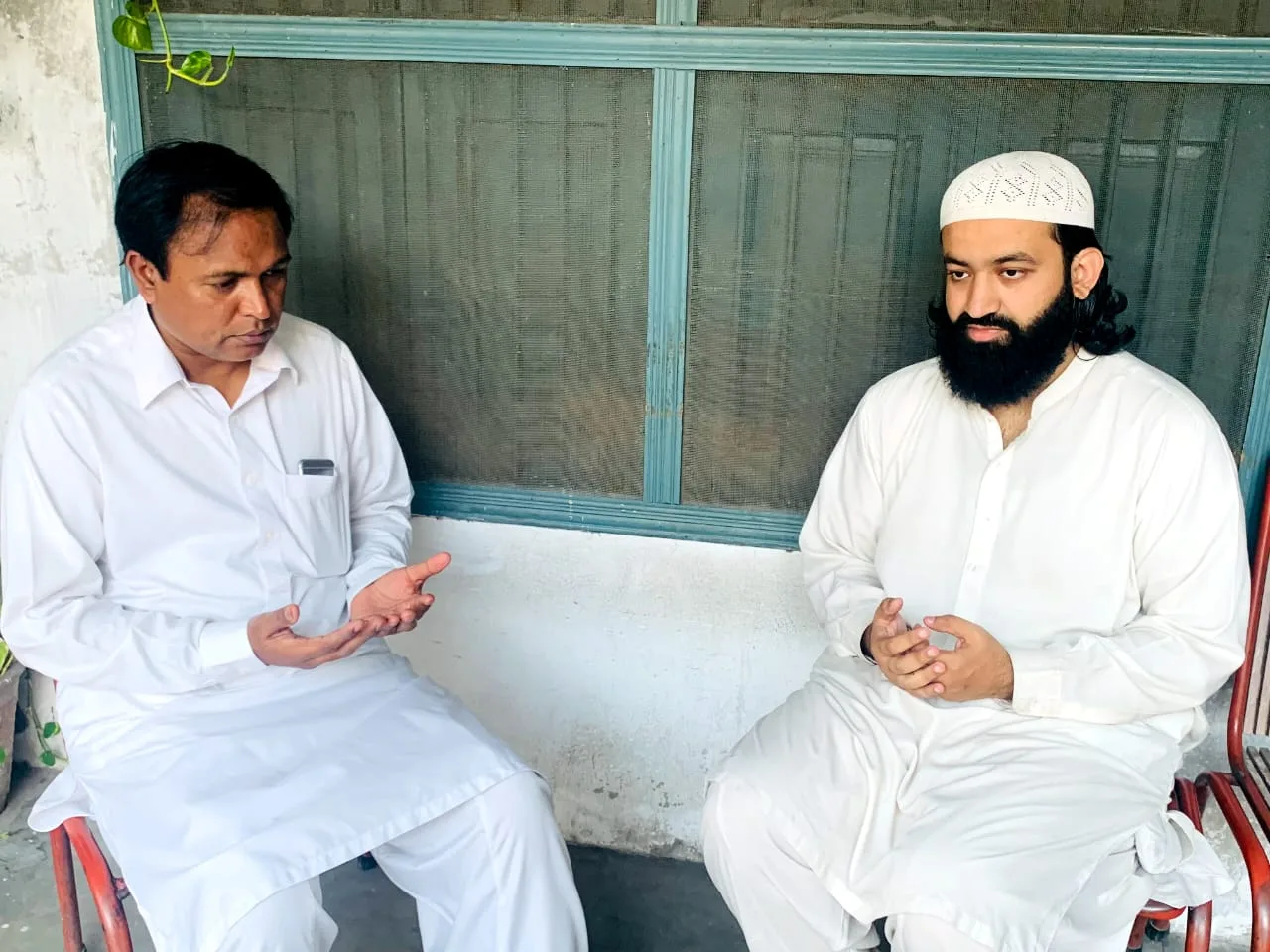
To mark the International Day of the Girl Child, EPDI Rabata Society organized a meaningful seminar on 11th October in Gujranwala, aimed at raising awareness about the rights, dignity, and future of girls within grassroots communities. The event brought together forty families from different localities, creating a platform for dialogue, reflection, and collective motivation. The session was led by Mr. Shahzad Lawrence, a social activist affiliated with the Rabata Society, who has consistently worked on peacebuilding, education, and community empowerment initiatives.
Purpose of the Seminar
The prime objective of the gathering was to educate families about the fundamental rights of girl children—particularly the right to education, protection, health, participation, and equality. Mr. Shahzad Lawrence began by explaining the global significance of the International Day of the Girl Child and connected it to the local context. He emphasized that girls in Pakistan, especially in underprivileged areas, often face social pressures, early marriage, limited schooling, and restricted opportunities for personal development. The seminar aimed to challenge these barriers and encourage parents to become advocates for their daughters’ well-being.

He stated that empowering girls is not just a social responsibility but also an investment in the community’s future. Allowing girls to study, dream, and grow ensures stronger families, better health, and long- term prosperity. By engaging families directly, the seminar intended to shift mindsets and promote healthier attitudes toward gender equality.
Participants’ Views and Engagement
The forty participating families included mothers, fathers, young girls, and some community elders. Their presence demonstrated a willingness to learn and engage on this important subject. Many attendees shared their thoughts openly, acknowledging the struggles that girl children face due to cultural constraints and economic hardship.
Several mothers expressed concern over the lack of educational opportunities and safety for their daughters. They highlighted that fear of harassment, transportation issues, and financial limitations often keep girls at home. On the other hand, some fathers shared that changing traditional mindsets is challenging, but they recognized that girls today are capable of contributing academically and professionally if given the support.
One participant remarked that in many homes, sons are prioritized for schooling while daughters are expected to help with domestic chores. This discussion opened the door for others to share examples of girls in their families who excelled in their studies, proving that capability is not limited by gender.
The open conversation environment allowed participants to learn from one another instead of feeling judged. Community elders also appreciated the respectful tone of the discussion, stating that such seminars help clarify misconceptions and encourage gradual change.
Possible Outcomes and Future Impact
This seminar is expected to create a ripple effect within the community. By targeting forty households, Rabata Society has planted seeds of awareness that can influence extended families and neighbors. One likely outcome is increased encouragement for girls to continue schooling rather than dropping out due to family pressure or financial limitations. Parents may also become more open to delaying early marriages and supporting girls’ health and social participation.
The seminar also laid the foundation for future collaboration between Rabata Society and community members to initiate skill-development workshops, educational counseling, and awareness campaigns. The positive feedback from participants indicates readiness for long-term engagement. If followed up with practical support, mentorship, or small community projects, the conversation initiated here could transform attitudes and opportunities for dozens of young girls.
Ultimately, the event demonstrated that grassroots-level dialogue remains one of the most effective tools for social change. The involvement of families, the leadership of Mr. Shahzad Lawrence, and the timely observance of the International Day of the Girl Child combined to create a productive, inspiring, and impactful activity in Gujranwala.